
Silicon Valley has produced companies that changed how we shop, communicate, travel, work, and even think. It has also produced thousands of spectacular failures that burned through millions of dollars before quietly disappearing into business history. The difference between those two groups isn’t usually a flashy logo, a clever slogan, or a perfectly polished pitch deck.
More often than not, it’s discipline.
People love the mythology of startups—the hoodie-clad founder scribbling ideas on a whiteboard before becoming the next billionaire. It’s a compelling story, but it’s also incomplete. Behind nearly every breakout company is an uncomfortable amount of hard work, constant refinement, and an obsession with solving real problems.
As Steve Jobs famously said, “Innovation distinguishes between a leader and a follower.” Innovation, however, isn’t just about having a groundbreaking idea. It’s about building an organization capable of turning that idea into something people actually use.
They Solve Problems Worth Solving
The best startups rarely begin with the question, “How do we make money?”
Instead, they ask, “What frustrates people enough that they’d gladly pay for a better solution?”
Airbnb wasn’t created because someone wanted another travel website. It solved the challenge of finding unique, affordable places to stay. Stripe simplified online payments for developers who were tired of complicated financial systems. Zoom didn’t invent video conferencing—it simply made it easier to use when competitors had made the experience unnecessarily frustrating.
Successful startups earn attention because they eliminate friction.
That’s a lesson businesses of every size can apply.
They Stay Focused Longer Than Everyone Else
It’s tempting to chase every opportunity.
A new product line. A different customer segment. Another service offering.
Before long, the business resembles a Swiss Army knife: capable of doing many things, but not exceptional at any one of them.
Many of Silicon Valley’s most successful companies grew because they resisted that temptation. Google built the world’s best search engine before expanding into countless other products. Netflix perfected streaming before becoming one of the world’s largest content producers.
Growth often comes from saying “no” far more often than saying “yes.”
That’s rarely exciting advice, but it’s remarkably effective.
Culture Isn’t Ping-Pong Tables
For years, startup culture was portrayed as beanbag chairs, unlimited snacks, and office dogs wandering the hallways.
Those things may be enjoyable, but they don’t create great companies.
Strong cultures are built around clarity, accountability, trust, and shared purpose. Employees want meaningful work, capable leadership, and an environment where good ideas are heard regardless of whose business card carries the fanciest title.
As venture capitalist Ben Horowitz once observed, “Take care of the people, the products, and the profits—in that order.”
Companies that understand this tend to build teams capable of adapting when challenges inevitably arrive.
Environment Shapes Performance
Where people work influences how they work.
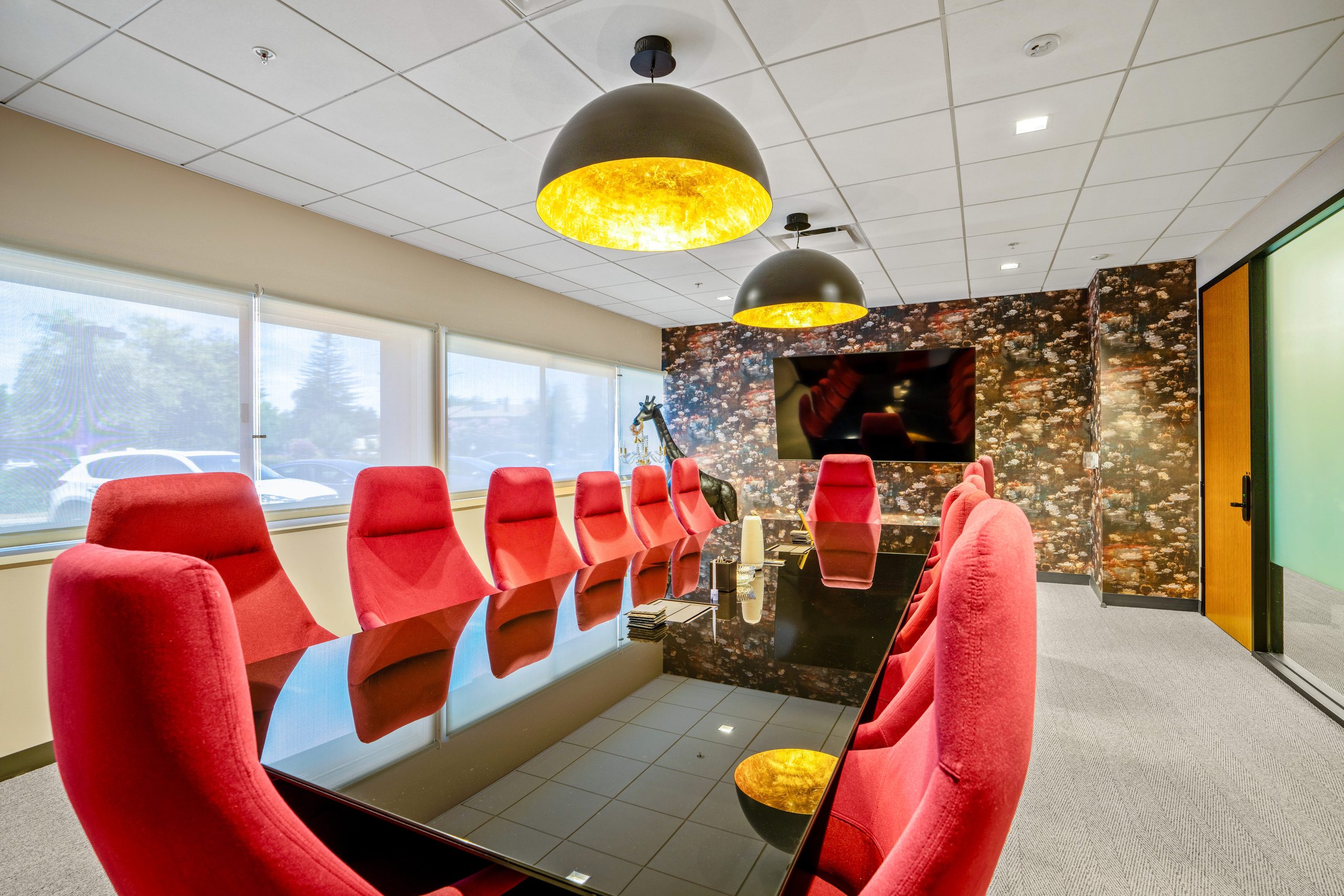
Creative conversations happen more naturally in spaces designed for collaboration. Client meetings feel more productive in professional conference rooms than around a crowded coffee shop table where someone is loudly debating oat milk versus almond milk.
Likewise, entrepreneurs often underestimate how much their physical workspace affects recruiting, productivity, and credibility. The right environment doesn’t create success on its own, but it certainly removes unnecessary obstacles.
Think of it this way: even the best race car driver performs better on a well-maintained track than a gravel road.
They Never Stop Learning
Perhaps the biggest characteristic shared by Silicon Valley’s enduring companies is their willingness to evolve.
Markets change. Technology changes. Customer expectations change.
Businesses that remain curious tend to outperform those convinced they’ve already figured everything out.
Amazon began by selling books. NVIDIA became an artificial intelligence powerhouse after decades in graphics processing. Slack emerged after its founders abandoned an entirely different business idea.
The common thread isn’t perfection. It’s adaptation.
The companies that endure aren’t necessarily the ones with the boldest vision on day one. They’re the ones disciplined enough to improve every day after.
If you’re building a business with long-term ambitions, your workspace should evolve alongside your goals. Willow Workplace provides flexible offices, meeting rooms, and collaborative workspaces designed for entrepreneurs, startups, and growing companies that want to project professionalism while staying agile. Explore Willow Workplace and discover how the right environment can help your next great idea become something even bigger.